
HOME
Conru Art Foundation · Seattle, WA
Hidden for thirty years above Pike Street, Seattle’s 1916 Coliseum Theatre, a Byzantine dream in gold and patina, waits to sing again. I want to bring it back.
Act One. The Building You’ve Walked Past
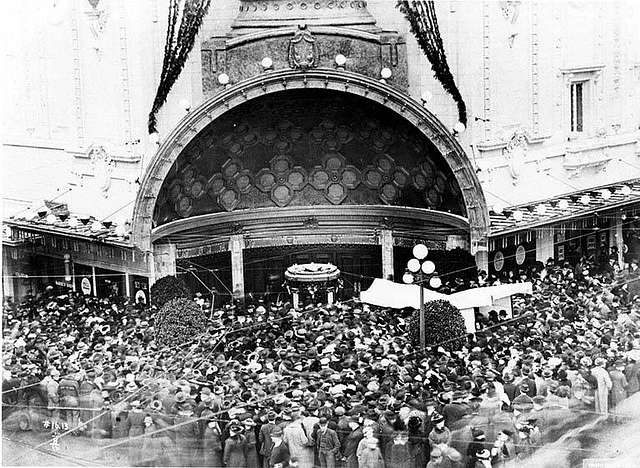
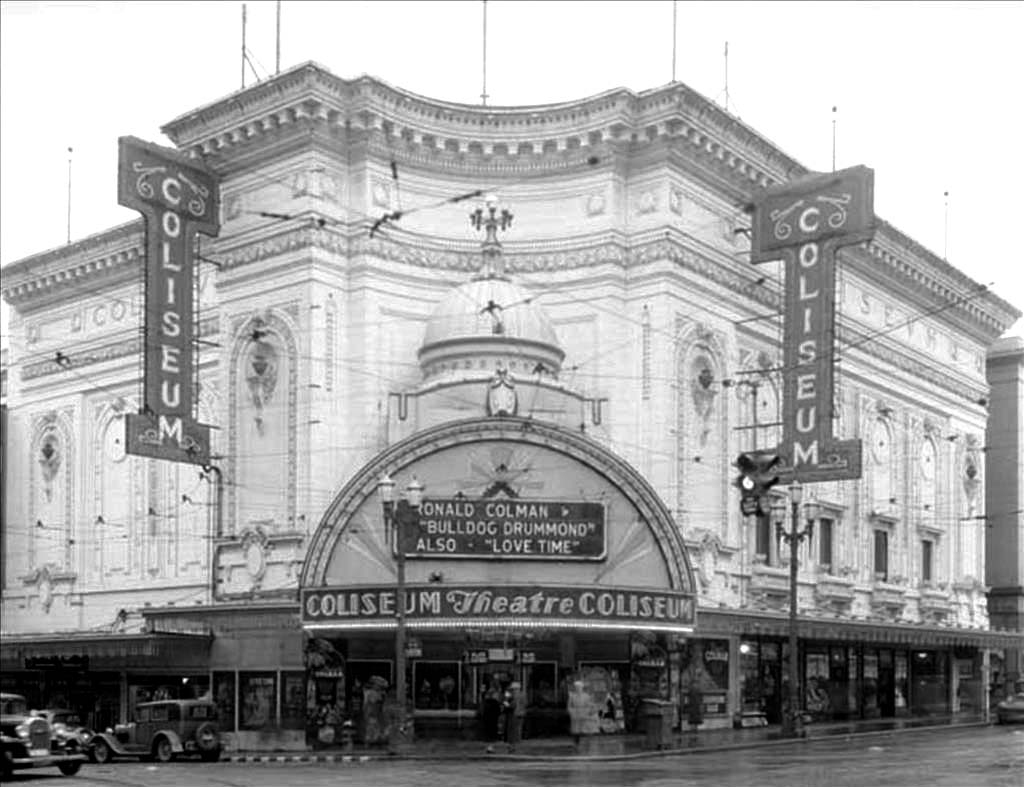
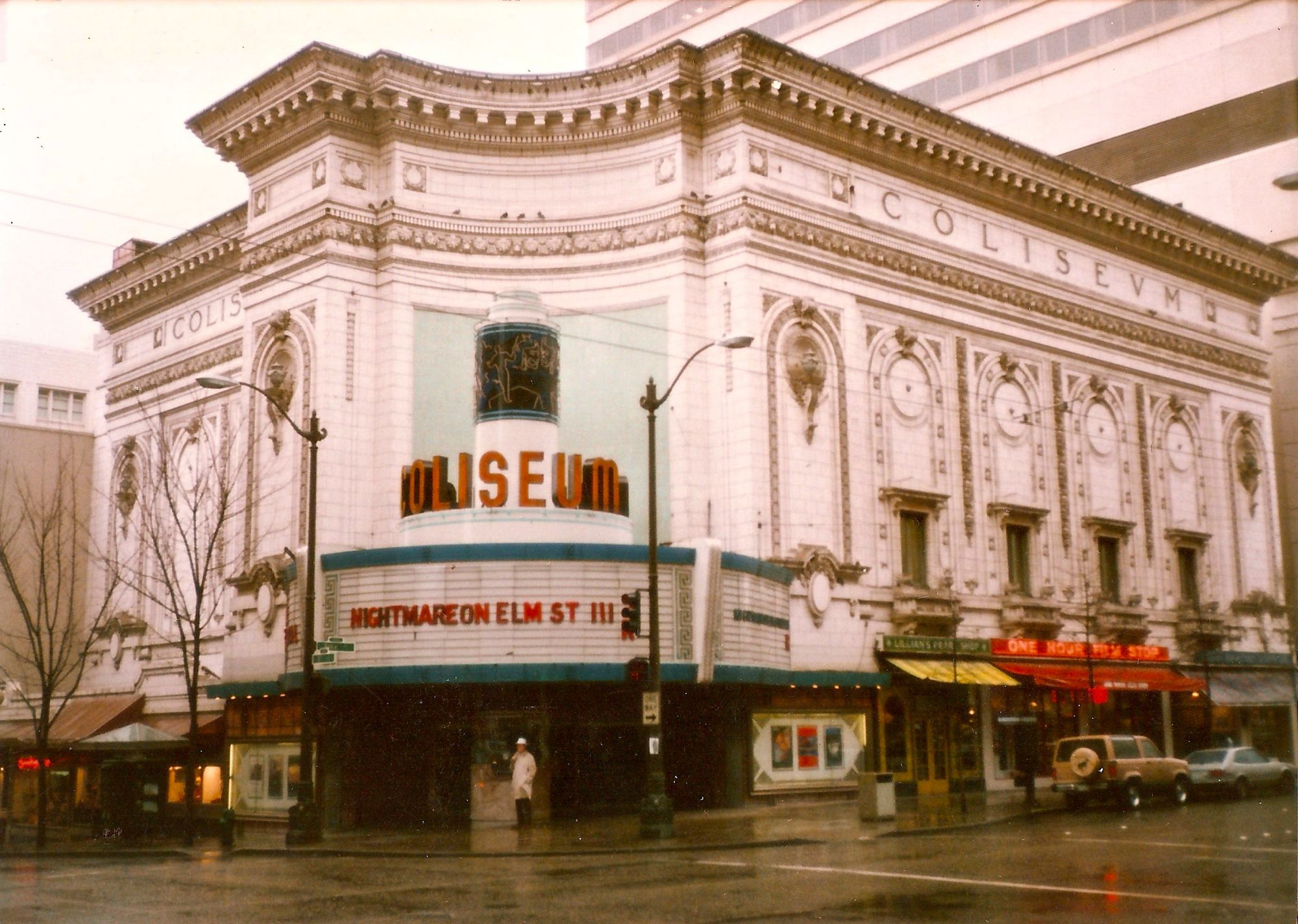
Pike Street at 5th Avenue. From opening night in 1916, through the marquees of the 1930s, to the fluorescent storefronts of today, the Coliseum has stood quietly at this corner the whole time. Keeping a cathedral hidden inside.
The World’s First Photoplay Palace
When it opened, the Coliseum was hailed as the “first of the world’s photoplay palaces,” the first grand cinema of its kind outside New York. It predates the famous Chicago Theatre by five years.
A packed house, a Russian orchestra, fountains beside the stage, and bird cages hung throughout the room.
Three levels of seating reached by an elevator and long ramps, with a mezzanine tucked beneath the balcony.
Wrapped the building in white, locally made terra cotta with Renaissance ornament. It is a designated Seattle landmark.
Egyptian-inspired mosaics, Byzantine color, and Italian Renaissance ornament, set off with copper and gold gilt.
A modern marquee, crowned by a Motion Picture Academy statue, replaced the original entry. The first proscenium was covered over.
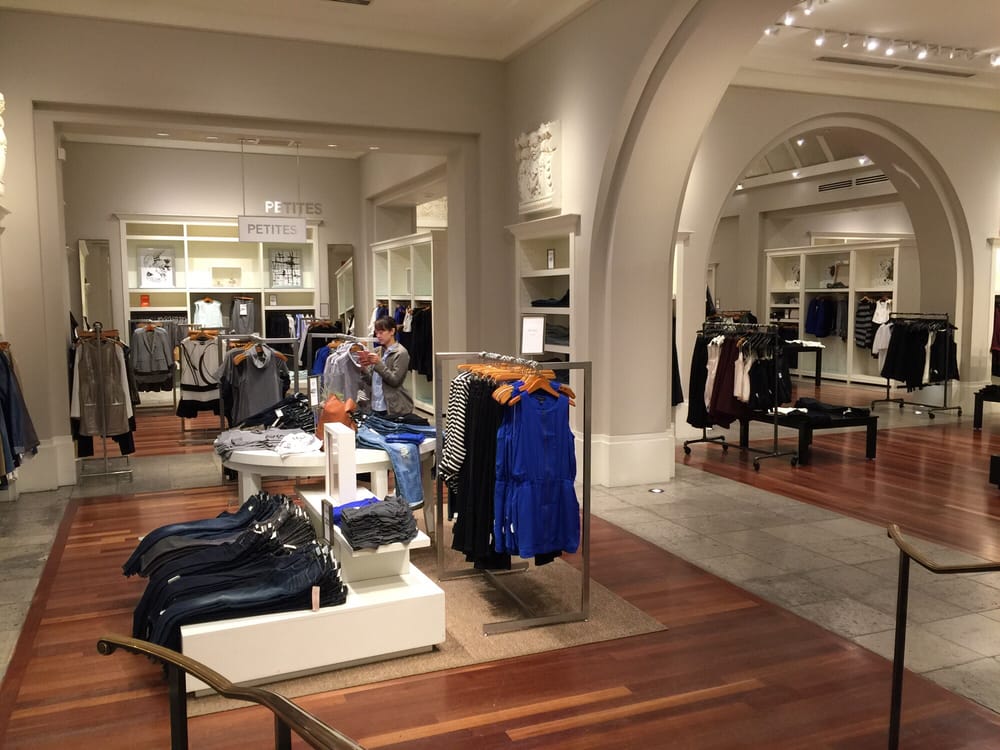
The lower auditorium became retail. Much of the ornament survives above the drop ceiling, hidden under decades of paint.
Act Two. The Discovery
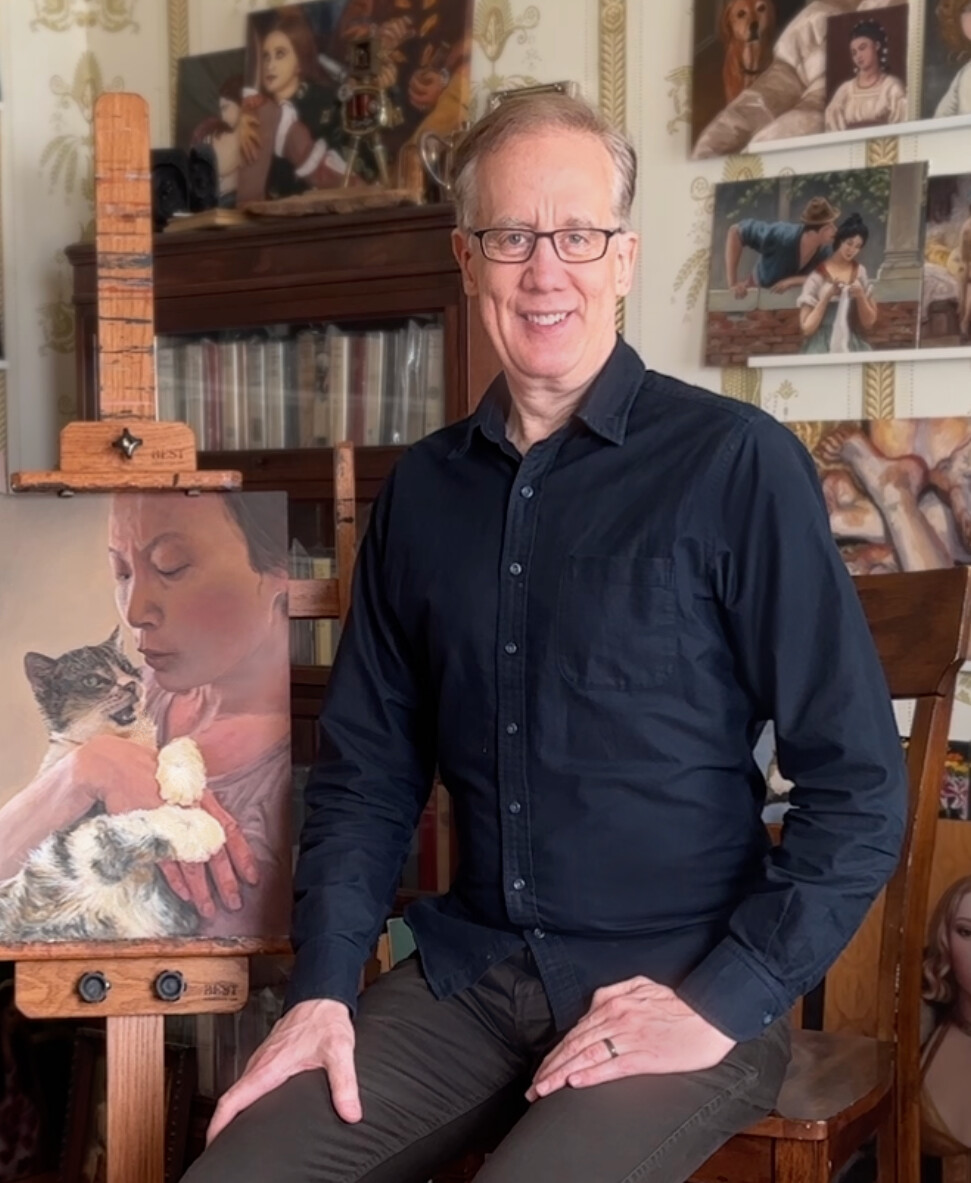
I’d heard rumors about a lost theater hidden in the middle of downtown Seattle. Then I saw a 1920s photograph of it. When the building came up for sale, I had to walk inside.
Above the drop ceiling, behind decades of retail buildout, we found curved domes, soaring arches, and a space so quiet it felt almost spiritual.
“It felt like uncovering a lost tomb. This beautiful piece of Seattle’s history needs to be shared with the public again.”Andrew Conru, April 2024
First walkthrough. April 26, 2024
Act Three. A Few Items Remain
When Banana Republic moved in, they kept a few of Priteca’s carved plaster pieces and slapped them around the store like boutique decor, because they “looked nice.” Everything else was stripped, painted beige, and buried under a drop ceiling. Below, a small survivor visible on the shop floor. Beneath it, imaginings of what the Coliseum actually looked like when it was whole.
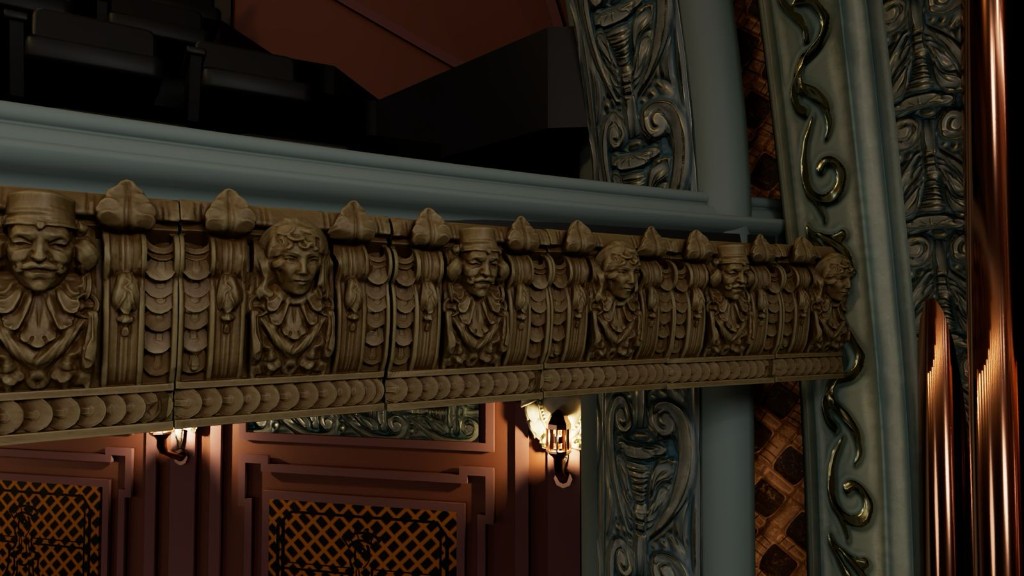
The proscenium frieze once carried dozens of hand-carved character masks. Royalty, muses, grotesques. Fragments are still there.
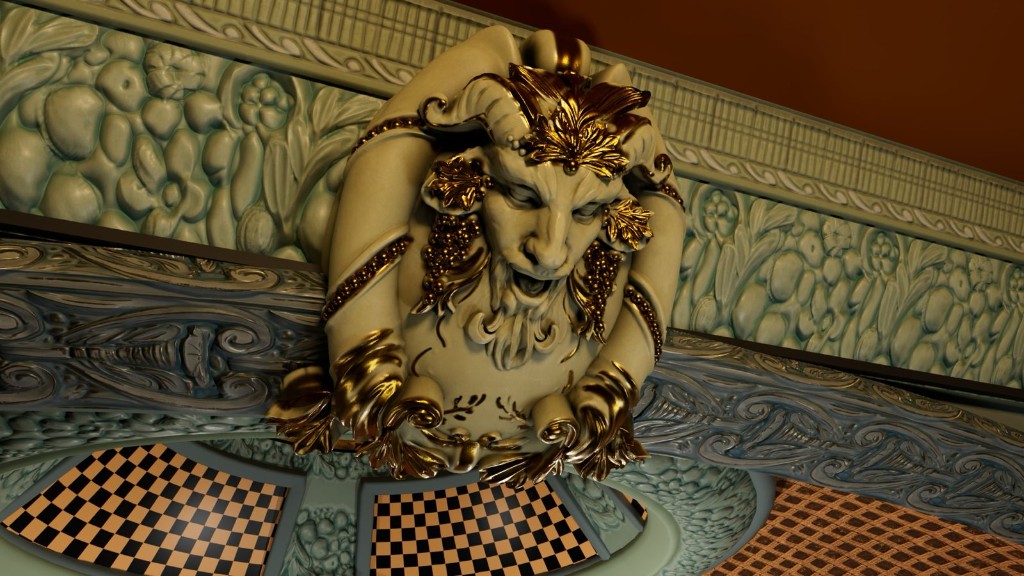
Gold-leafed gargoyles and satyrs anchored the cornice, wrapped in grapevines and checkerboard Byzantine motifs.
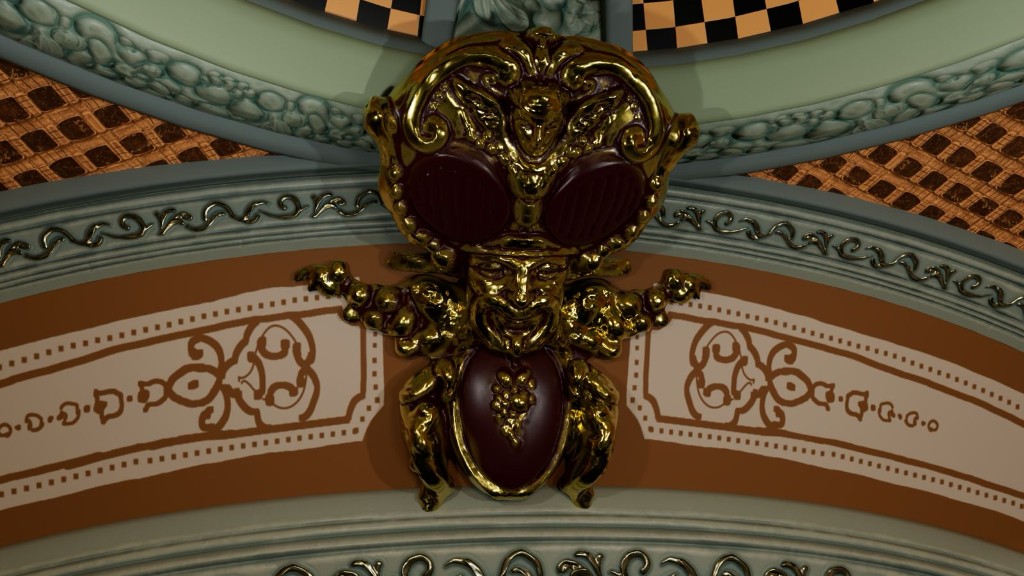
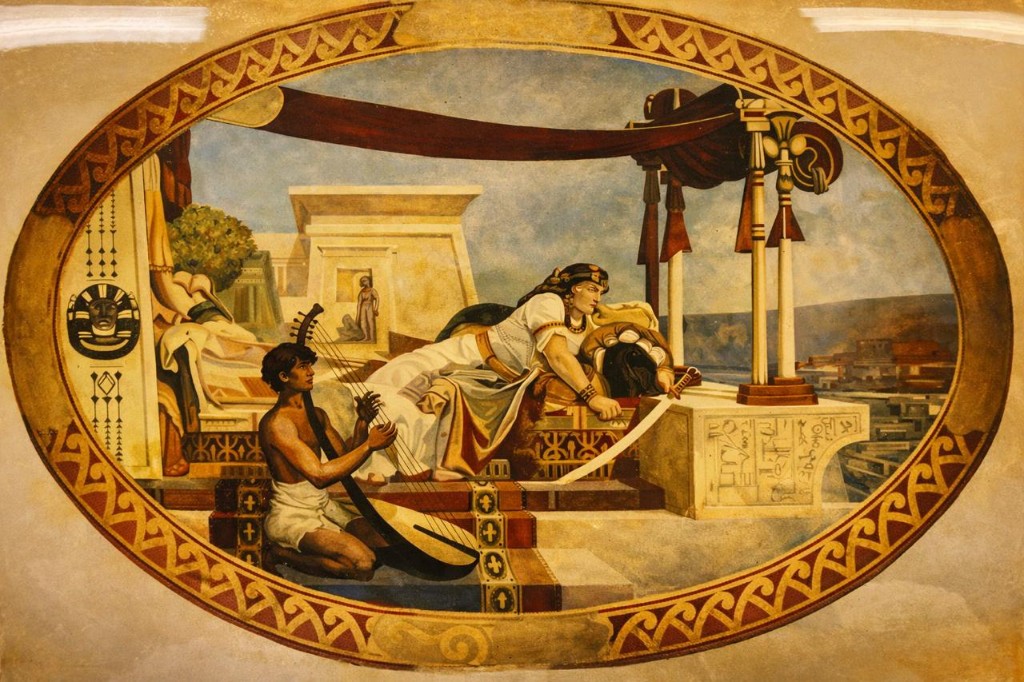
The central dome was ringed with oval medallions, cast fruit garlands, and a painted oculus of classical figures.
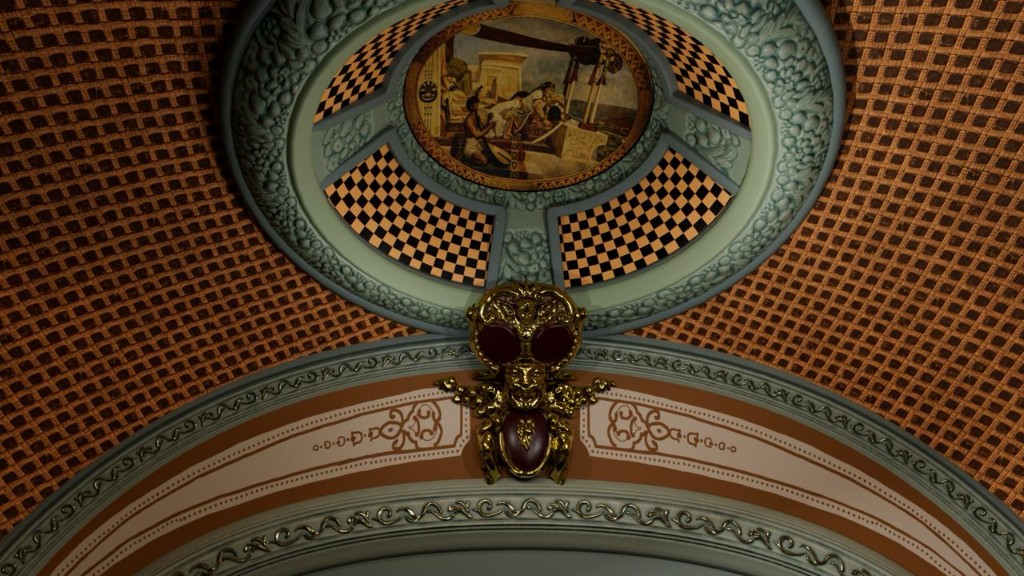
Above the drop ceiling, a painted mural and checkerboard medallion once crowned the space. And still does, in the dark, waiting.
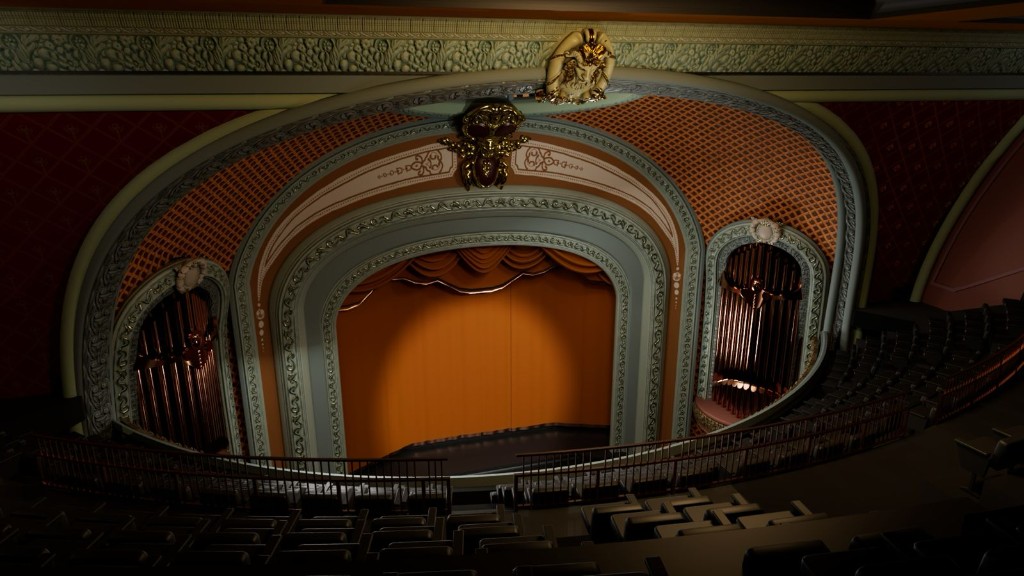
Act Four. The Byzantine Dream
The palette is drawn from Ravenna’s sixth-century mosaics. Byzantine orange, dull red, pale bluegreen, and deep black, warmed by gold leaf across the ornament. Not a beige museum. A cathedral of color.
Walls in Byzantine orange. Trim and plaster tracery in the pale greens of oxidized copper. Accents of dull red from a Ravenna mosaic. Gold leaf, carefully, only where it was always meant to be.
Act Five. Before & Imagined
We only have a handful of surviving photographs, all black and white, taken in the first decades of the theater’s life. Toggle between the archival plate and the color imagining to see how an audience in 1916 might have experienced the room.
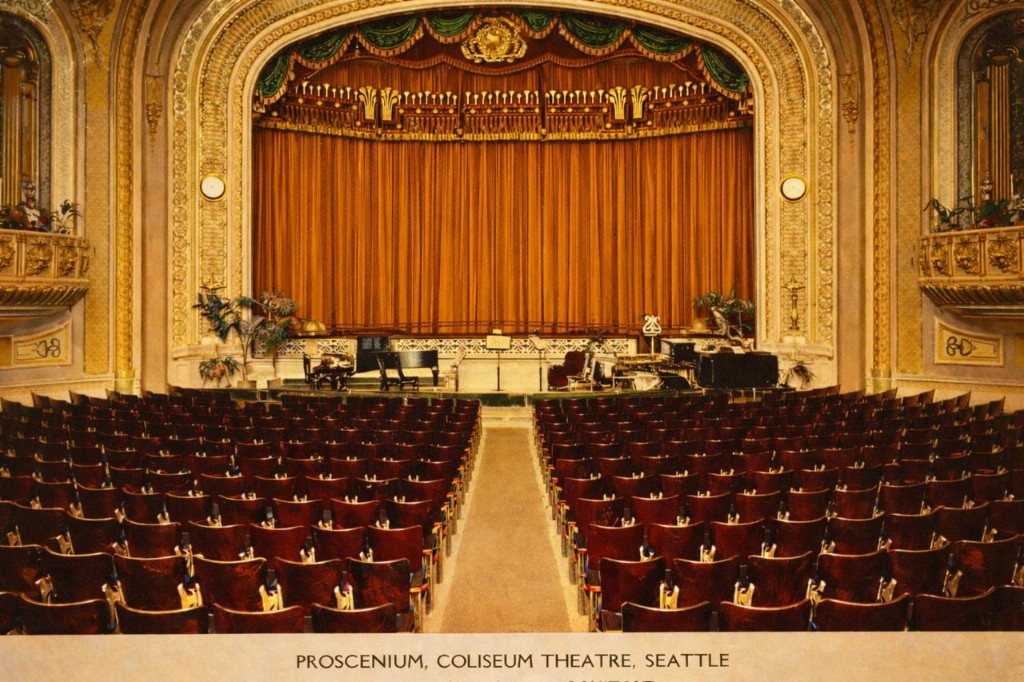
The Lost Murals
Above the proscenium arch, a mural of an Egyptian pharaoh presided over the house. To either side, in the original 1916 scheme, stood Cleopatra and Mark Antony, a nod to the Egyptian and Byzantine motifs running through Priteca’s interior. No photographs of these two figures are known to survive. The images below are reconstructions, built from written descriptions in the historical record.
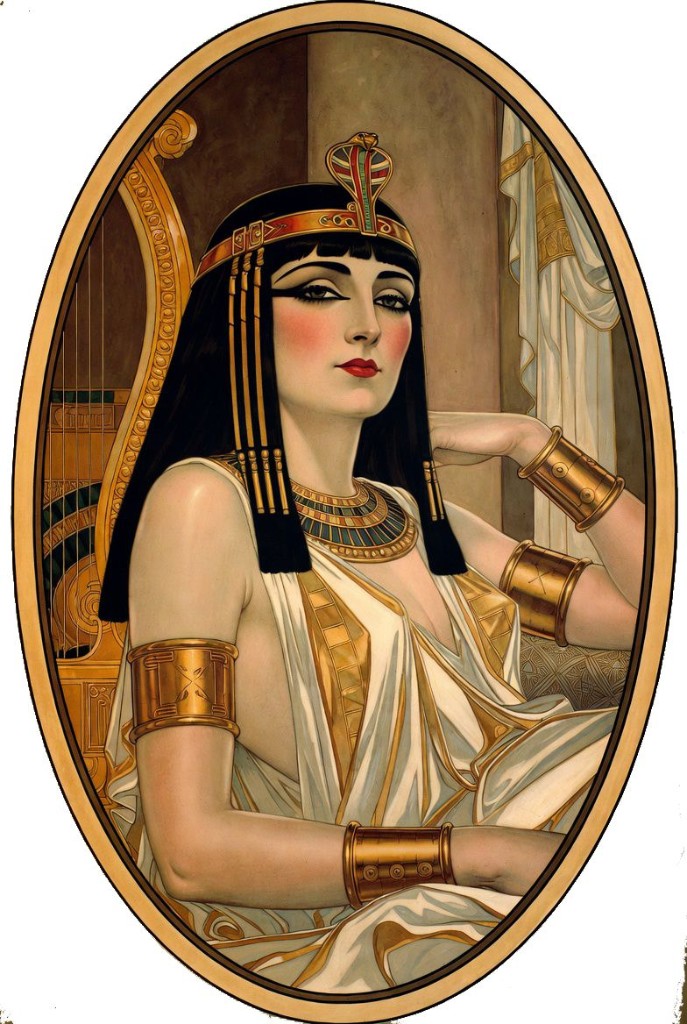 Reconstruction
On one side of the proscenium, the queen of the Nile. Imagined here in the orange, black, and gold of the original Byzantine palette.
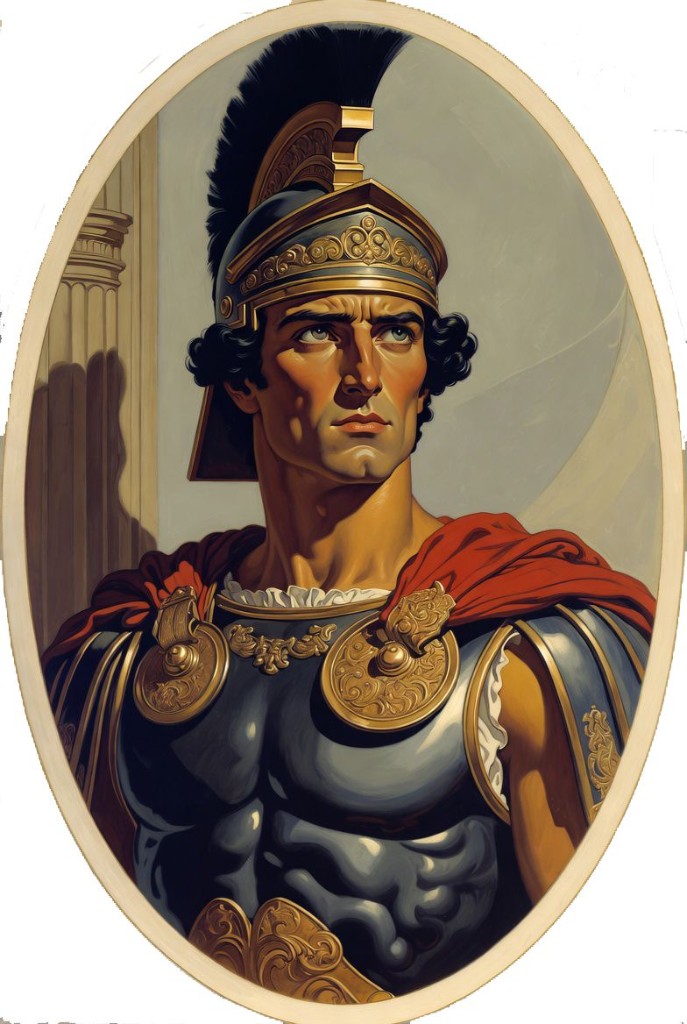 Reconstruction
Opposite Cleopatra, the Roman general. The pair framed the pharaoh above the arch, watching over every performance below.
Honest note: no photographs of the Cleopatra and Mark Antony murals are known to exist. These are AI-assisted reconstructions drawn from period descriptions, not documentary images. We show them to suggest what the room held, not to claim a precise record of it.
Act Six. Money Over Beauty
Sometime in the 1990s conversion (most likely during the Banana Republic buildout, though whether it was the tenant or the landlord trying to land the tenant is still being documented) the Priteca ornament that made this room a cathedral was systematically stripped. Plaster faces, gold leaf, hand-painted borders. Gone.
A few fragments survive: the carved friezes above the drop ceiling, a painted mural or two, and the physical shell of the room. Enough for a conservator to reconstruct the rest.
This is why restoration isn’t just “cleaning it up.” We need to rebuild much of the ornament from surviving samples, archival plates, and original drawings. Craftsmanship on the scale of the original.
The Coliseum never made money as a theater. Corporate retail did. When money is the only measure, beauty tends to lose. That’s exactly the problem philanthropy exists to solve.
Act Seven. The Plan
The building needs a serious seismic retrofit before anything else can happen. The question is whether we do that retrofit cheaply (and destroy what’s left of the interior) or carefully (and keep it).
Previous owners chose the fastest solution: pour a concrete diaphragm, a giant concrete slab, across the main floor. Cheaper than building an exoskeleton around the shell. Also, structurally, a recipe for disaster.
Without support from above, the original ornate plaster ceiling shakes loose and falls straight down onto the concrete slab. Priteca’s 1916 interior, pulverized in seconds. Which is kind of dumb.
Hold the building from above, with an external steel structure that keeps the historic shell intact, protecting the ceiling rather than waiting for it to fall. More expensive. Obviously the right answer.
That’s the number I tell my bankers. We all know how projects like this actually go. The Coliseum never made money as a theater, and it probably won’t as one again. That’s the point. Some things are preserved because they’re worth preserving, not because they pencil out.
I’m considering leading this effort personally, but I’d much rather do it with partners. If this building matters to you, I’d love to hear from you.
Proof, not just promise
The Foundation’s Occidental Fine Arts Center at 311 Occidental Ave S in Pioneer Square is a multi-floor, roughly 15,000-square-foot historic building we’ve already converted into a working arts center: studios for our Seattle Art Prize fellows, a gallery in progress, and workshop space for the public. The Coliseum is that work, at cathedral scale.
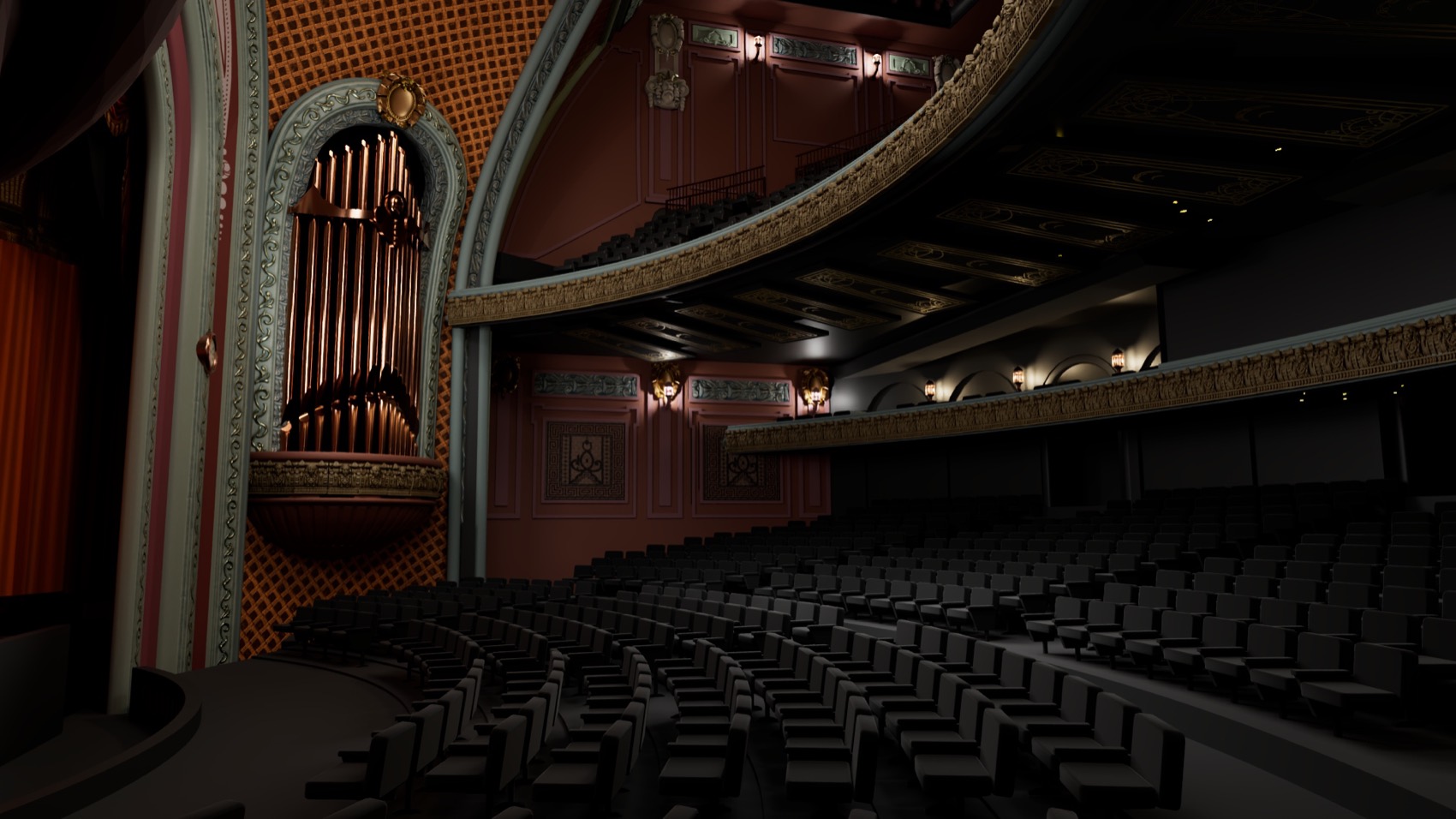
What It Could Be
The conceptual study imagines a restored venue of nearly 2,000 seats that Seattle could actually use. Five directions, each built on the same preserved 1916 shell. These renders are illustrative concepts, not final designs.
Five Ways to Bring It Back
The historical report lays out five reuse concepts for the building. All of them require the full seismic retrofit first. The historical stage is only eleven feet deep, built for cinema, which shapes what live performance can go here.
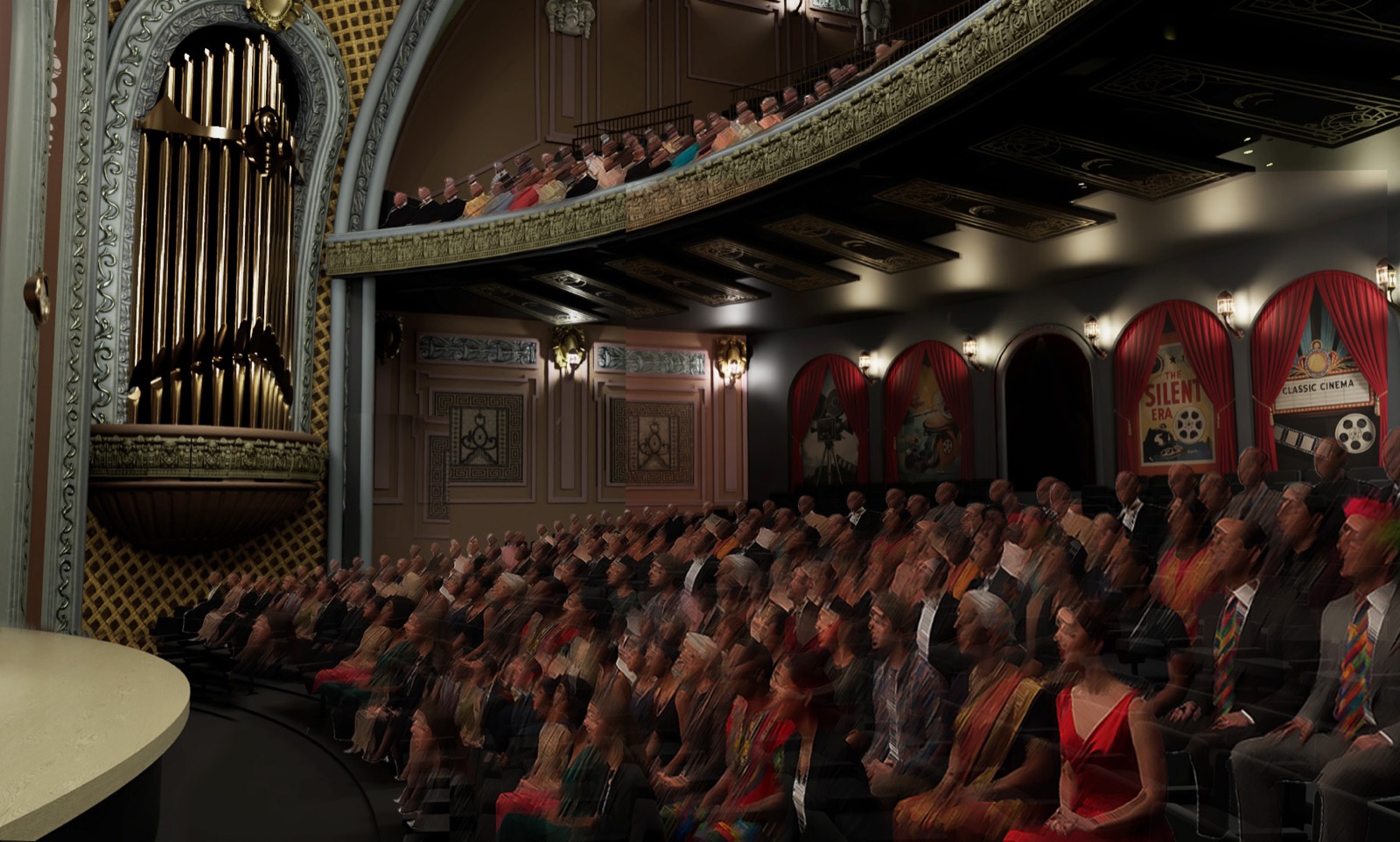
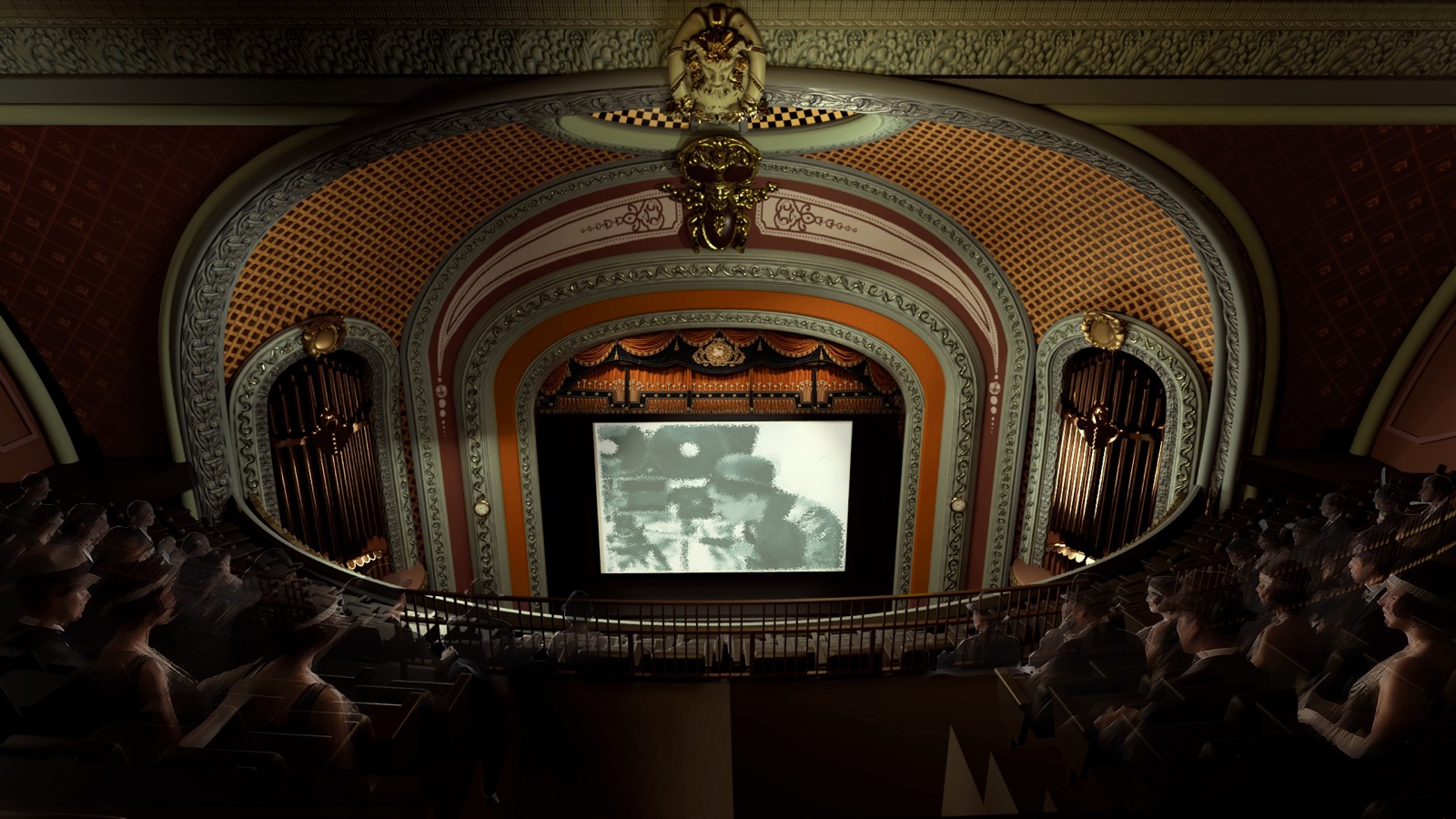
Rebuild the 1920s proscenium and period ornament for film, music, comedy, and lectures. An IMAX screen is on the table.
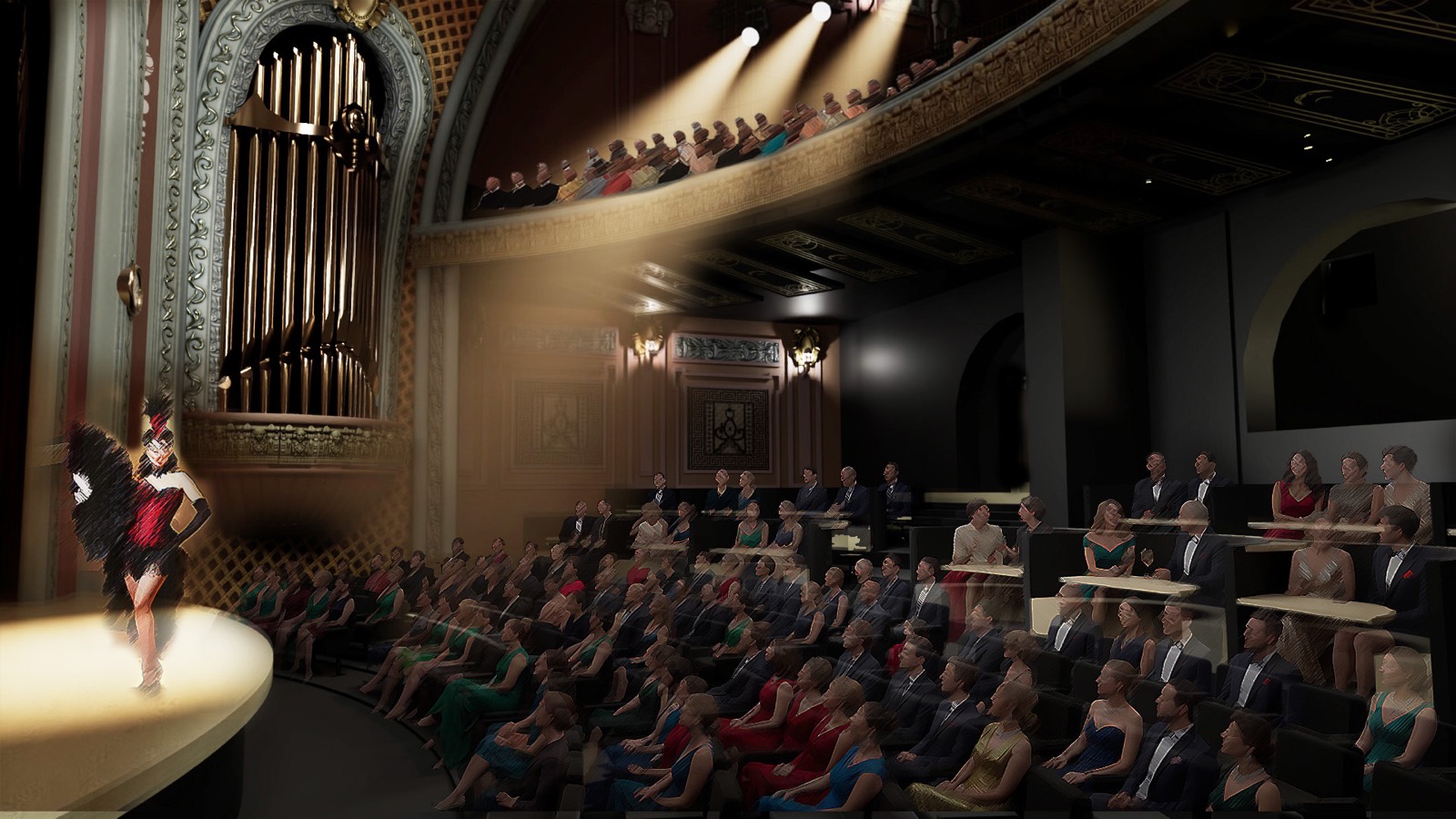
A deeper stage with an orchestra pit and a steeper rake, opening the room to theater, ballet, and larger orchestras.
A Triple Door-style lower level with in-seat food and drink, and the lobby reborn as a bar, bistro, and lounge.
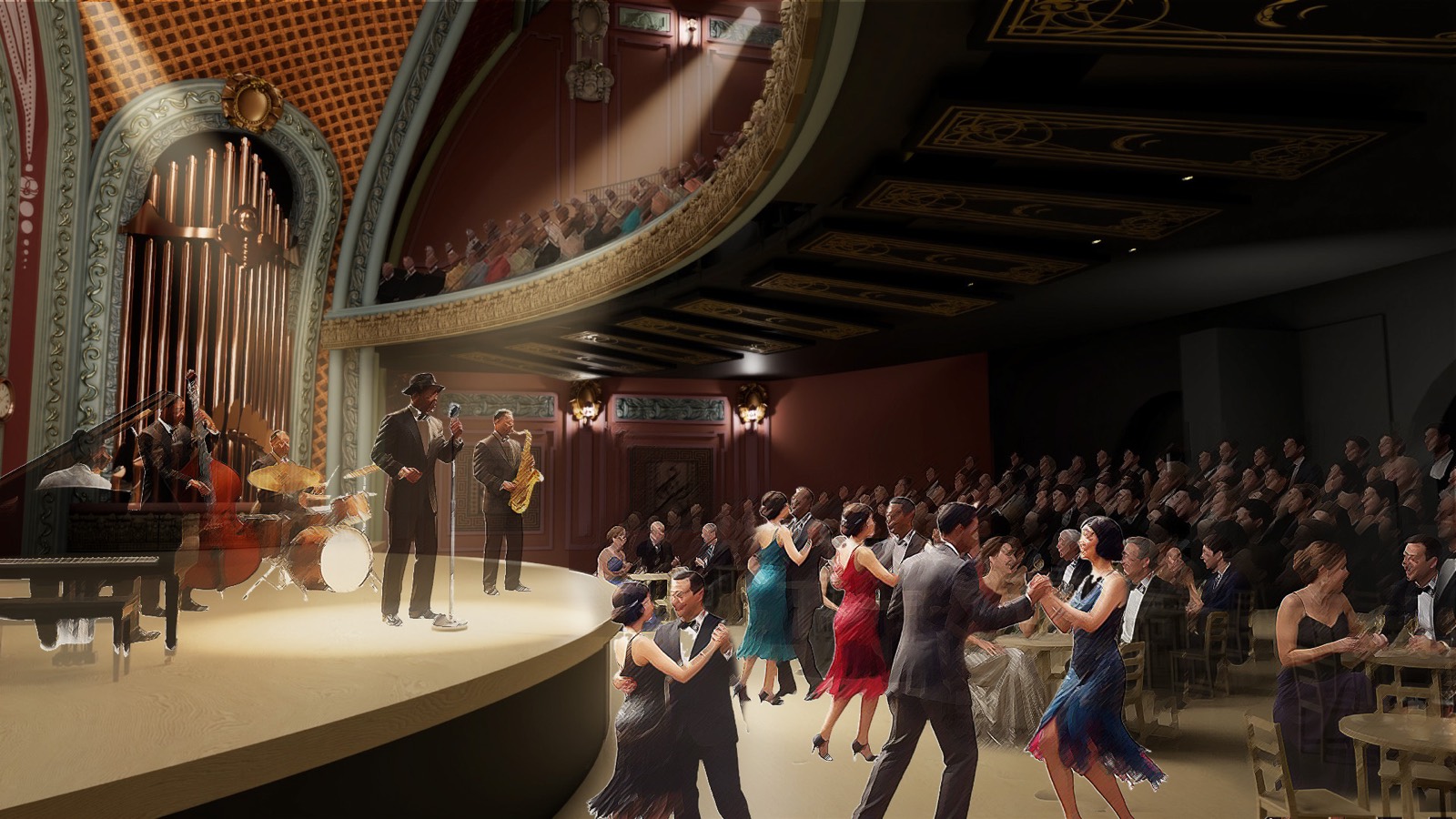
A flexible lower-level hall for music, dance, and galas, with a raised stage and movable seating.
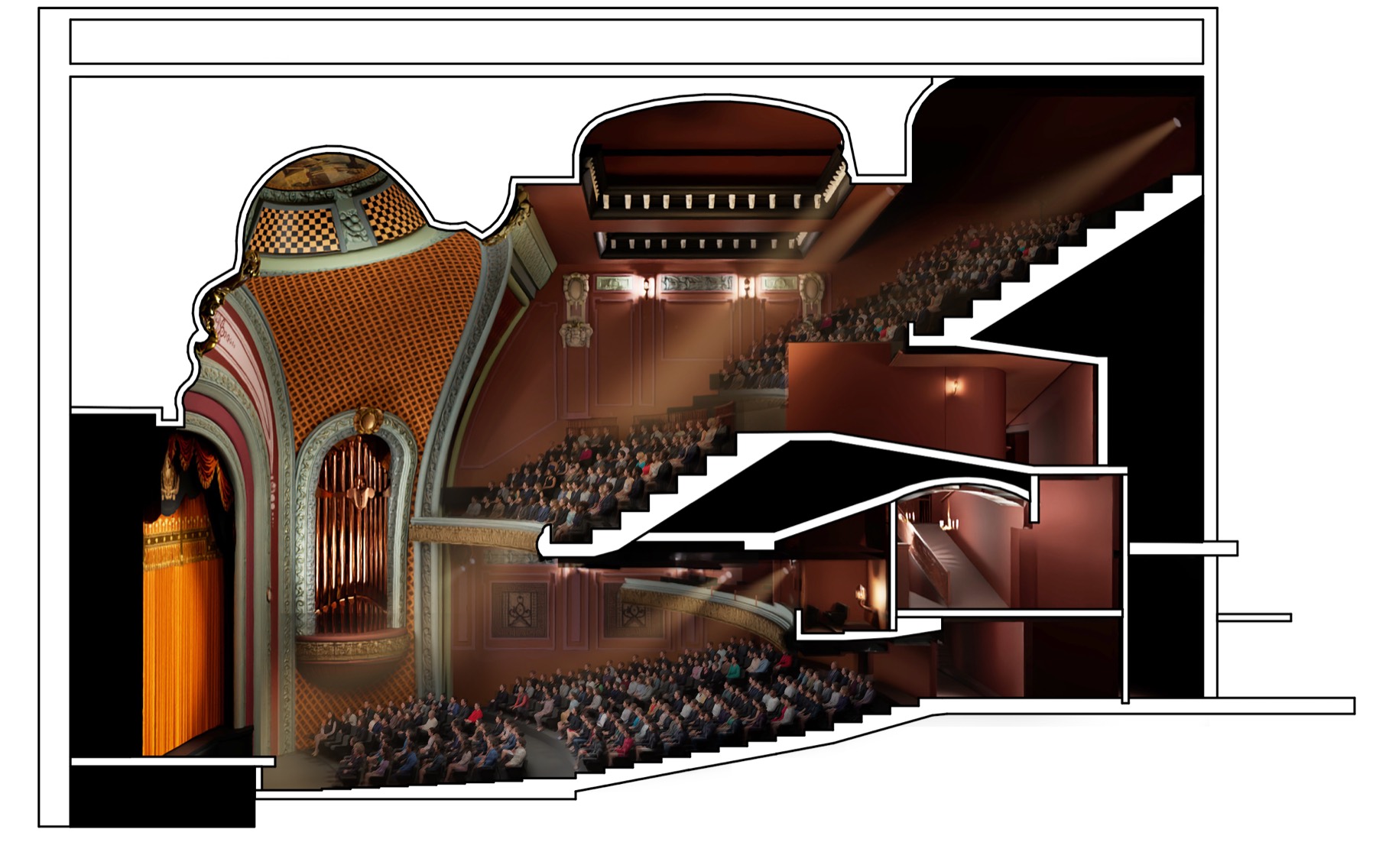
Two independent venues stacked in one building, roughly 600 to 800 seats each, an upper house and a lower house.
The Walk-Through
A cinematic walk-through of the restoration concept, moving from the street entrance, up through the lobby, and into the great room as it could look once again.
A walk-through film by Brett is in final edit.
Restoration walk-through · a film by Brett
Seattle, in color
Old black and white photographs of Seattle, colorized and brought back to life, from the years around the theater’s 1916 opening. Touring cars on dirt streets, the Great White Fleet in the harbor, steamships at Smith Cove, the snow on Occidental Avenue, and a few of the same corners as they look today. Same city, same light, a century apart.
Seattle, colorized · archival photographs, restored
A note, from Andrew
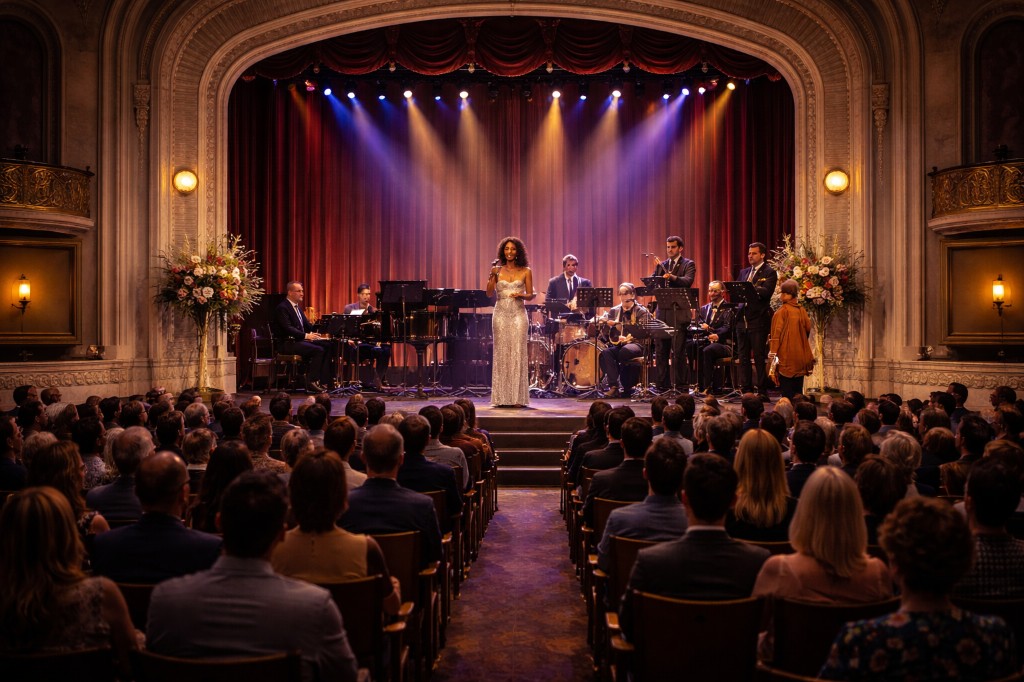
That’s the whole point of the Foundation, and the whole point of this building. So in that spirit, I owe you one piece of honesty: the color images throughout are visualizations, built from archival photographs, period drawings, and a lot of help from AI. They are not photographs of a restored building.
In this one, the AI decided the soprano should be roughly nine feet tall. I kept it. She is, after all, a giant in her field.
Andrew Conru
Epilogue
The Conru Art Foundation exists to build the infrastructure of beauty, truth, and love. The Coliseum is the boldest room we have ever been handed. If Seattle wants it back, I want to give it back in full.